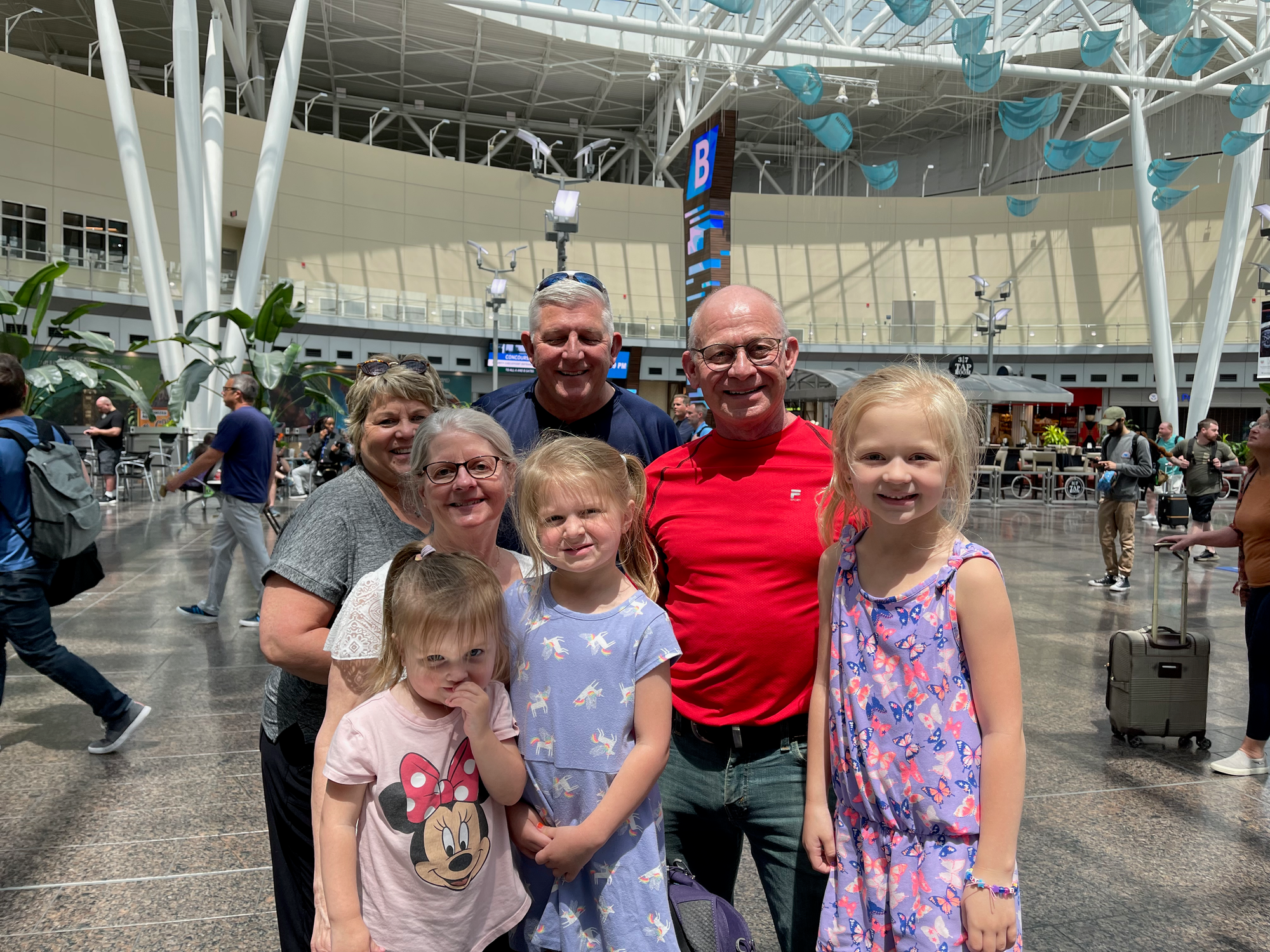
Leaving Osaka After Three Months: How a Family of Five Moves Across Asia With Ten Checked Bags

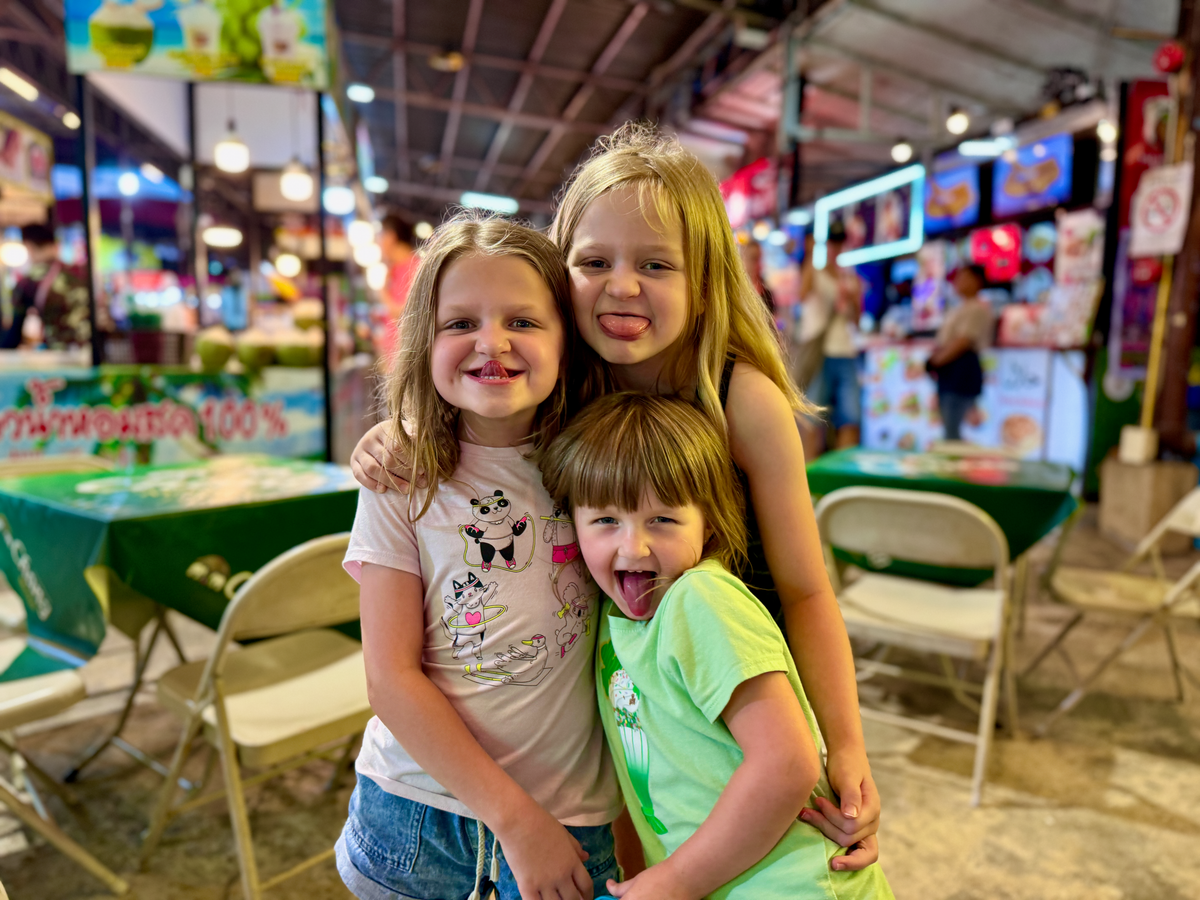
Three months in Osaka go by faster than you expect. We arrived in early February, watched the city move from late winter into peak cherry blossom, and now we're nine days out from boarding a flight to Da Nang with ten checked bags, five carry-ons, and the slightly dazed expression of people who have just bought two new suitcases on the first day of Golden Week sales.
This is what the end of a long stay actually looks like for a full-time travel family. Not a curated reel. Not a "10 tips" list. Just the genuinely strange logistics of moving a household-on-wheels from one country to another, plus what we did with our last weeks in Osaka, plus what it costs in human energy to keep a family of five organised through a transition.
If you've ever wondered how people who travel full-time actually manage their stuff, this is the answer. The answer is: badly, mostly, and with a lot of extra suitcases.

Why We're Leaving Osaka (and Coming Back to Japan Anyway)
We've spent more than 220 days in Japan now across multiple visits. Osaka has been our base since February. Our visa-free window runs out, the school year structure we've built for the girls is ready for a change of pace, and frankly, after three months the spreadsheet of "things we keep meaning to do here" stops shrinking and starts growing again. That's usually the signal.
Da Nang is also calling. We were there from January through May 2025, and a year on we know what we missed and what we want to slow down for. Three months of Vietnam coastal life through May, June, and July gives us beach mornings, cheap and excellent food, the friends we made there last year, and a complete reset on the daily rhythm.
We'll be back in Japan. The way we travel now is closer to "rotating bases" than "non-stop new cities." Osaka has become one of those bases, and we already know we'll return for sakura, autumn leaves, or whatever excuse we can find.
The Real Reason We Have Ten Checked Bags
Here is the part that no one writes about. When you live out of suitcases full-time and you stay somewhere for three months, you accumulate. It is unavoidable. You buy the things that make a rented apartment feel like a home, the things that solve a problem cheaply, and the things you walked past at Book Off and could not leave behind.
Our official "we are leaving" inventory at the moment of writing this includes:
- A stock pot. We bought it because the rental kitchen had nothing big enough to make a proper soup, and now it comes with us.
- A used Sylvanian Families dollhouse from Book Off. The girls found it. It was about twelve dollars. We were doomed the moment they spotted it.
- Two small weight plates (1.25 kg and 2.5 kg). Adam bought these to add to the resistance band setup he travels with. They are not particularly heavy until you are weighing all ten suitcases at the door.
- Plastic crates for organising school books. Worldschool means we travel with a serious volume of paper, workbooks, manipulatives, and supplies. Crates make the chaos manageable.
- Two new large suitcases bought yesterday at the Golden Week sales. This was the unlock. JAL allows two checked bags of 23 kg each per person on international long-haul, including children. That's a theoretical 230 kg of cargo for a family of five. We needed the extra capacity. We finally have it.
This is how a family ends up with ten checked bags: not because anyone planned it, but because three months of small accumulations added up to enough material that we either pay for two extra suitcases now or pay for excess baggage at the airport later. Buying suitcases on the first day of a Japanese seasonal sale was the rational choice.
How JAL's Two-Bags-Per-Person Rule Actually Saves Us Money
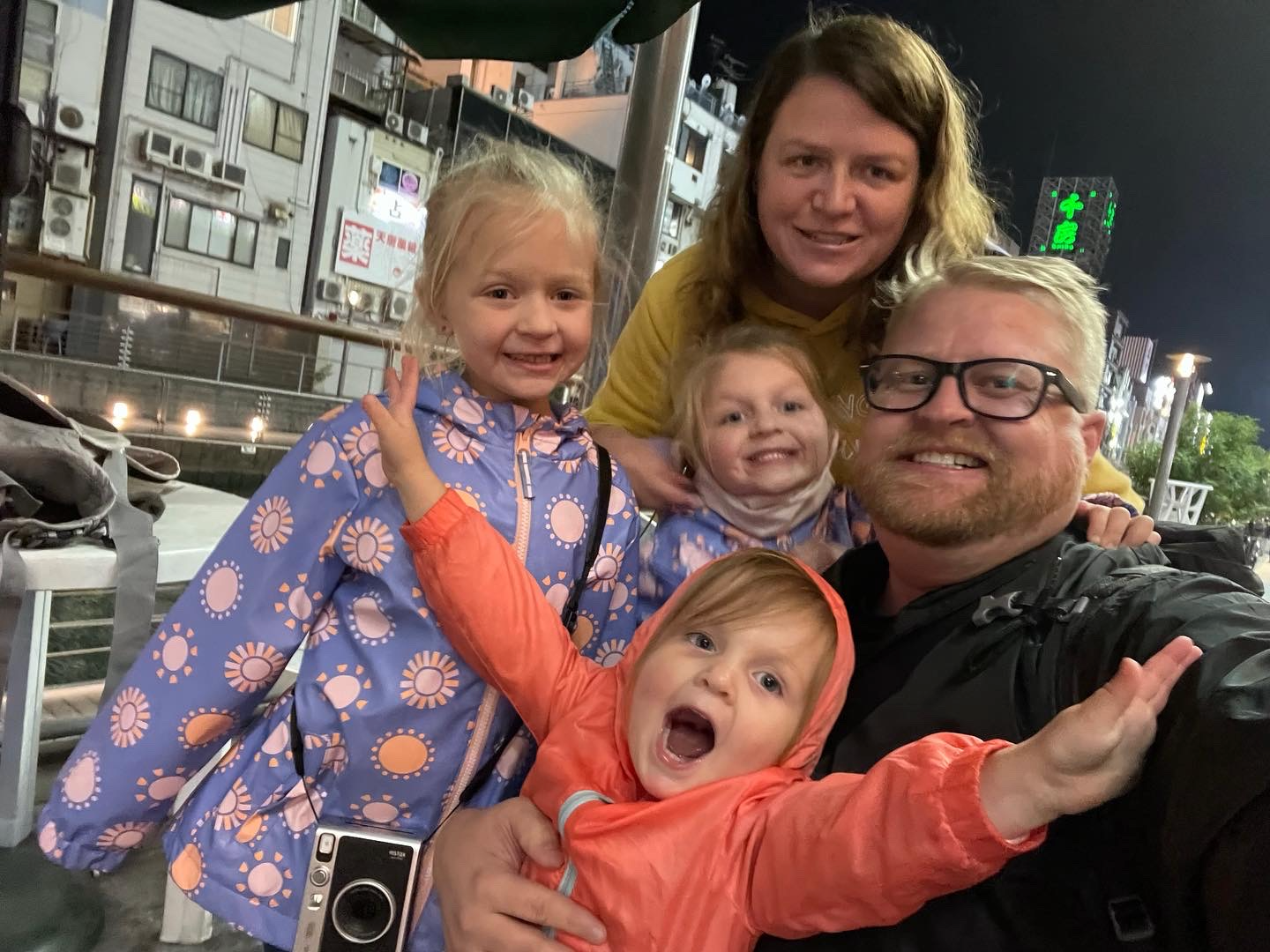
JAL's economy class allows two checked bags up to 23 kg each on most international routes, including for children with their own paid ticket. For a family of five flying Osaka to Da Nang, that's the maximum 10-bag allowance built into the fare. We are not paying excess baggage. We are not shipping anything separately. We are using the allowance the airline already gave us.
This is not a coincidence. It's why we choose airlines like JAL, ANA, and the legacy carriers when moving between bases rather than the budget options. Cheap flights with one 7 kg carry-on rule sound great until you actually have a household to move. Spending an extra 200 dollars per person on the ticket saves us at least double that in baggage fees, plus avoids the stress of trying to cram a Sylvanian Families dollhouse into a Ryanair-sized cabin bag.
| Item | What it does for the move |
|---|---|
| Two checked bags per person | Built into JAL fare, 230 kg total capacity |
| 23 kg per bag | Hard limit, we use a luggage scale to pre-weigh everything |
| New large suitcases | Bigger volume per kg means more cubic space without busting the weight |
| Carry-on per person | Five carry-ons for laptops, valuables, and one change of clothes per kid |
The trick is volume, not weight. A new large hard-shell suitcase can hold more stuff at the same 23 kg limit than two slightly smaller older bags ever could. We've learned this the hard way over four years of travel.
What We Actually Did in Osaka (Last Three Months Edition)
People keep asking what you "do" when you stay somewhere for three months. The honest answer is: live there. We are not sightseeing every day. The girls have school in the morning, we have work, and the weeks turn into something that looks more like normal life than tourism.
That said, here's what we did pack into our last weeks in Osaka, much of it from the genuine "we are leaving soon, we should finally do this" list.
Universal Studios Japan and the Hotel Walk
We did USJ in March. We also stayed one night at one of the Universal walk hotels rather than commuting from central Osaka. This is the hack nobody tells you: the price difference between a city center hotel and a Universal Studios Japan partner hotel is small, and the time and stress saved on park morning is enormous. Walk in early entry, walk out for a nap, walk back in for the evening.
If you're planning USJ as a family, the early entry hour into Super Nintendo World on a partner hotel ticket is the single biggest difference between a great day and a frustrating one.
Tennoji Zoo
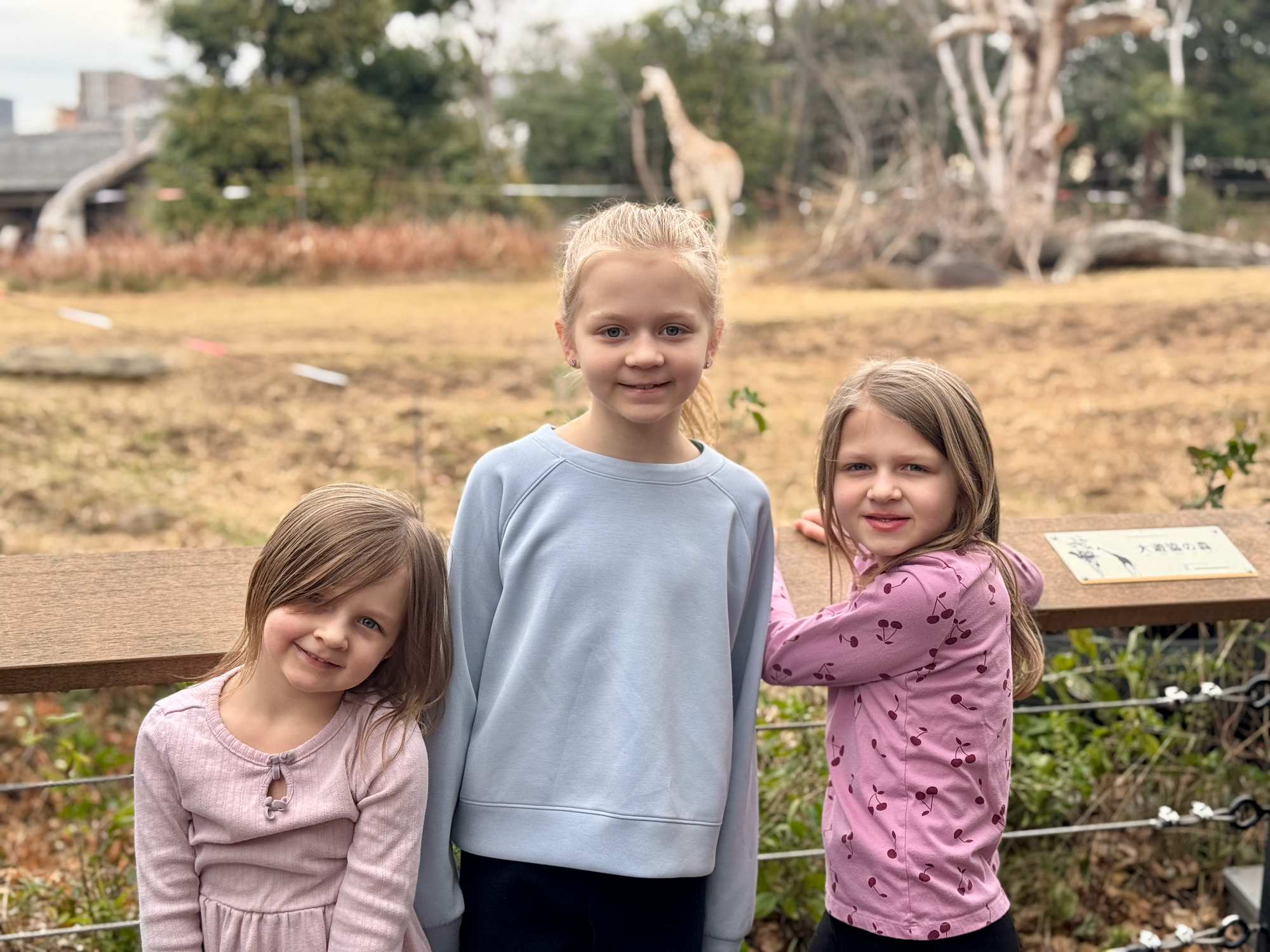
Tennoji Zoo is one of the best low-budget family days in Osaka. It's right next to Tennoji Park, the entry fee is genuinely cheap, and the animal enclosures sit in the middle of a neighbourhood rather than out in the suburbs. We spent a full morning there in February and the girls still bring it up.

Round 1 (Still on the List)
Round 1 is the Japanese arcade-bowling-batting-cage-karaoke-everything chain. We have not yet gone with the girls in Osaka. It is on this trip's "before we leave" list. With nine days to go, it will happen.
Sennichimae Doguyasuji (Kitchen Street)
Doguyasuji is the kitchen-supply street in central Osaka. If you cook, if you have ever cooked, if you have ever thought about cooking, you will lose two hours here. This is also where we got the stock pot. Going back one more time before we leave is on the list, ostensibly to "look around" but realistically because Adam has identified another piece of cookware he wants to take.
The Pre-Departure Checklist (Real, Not Romanticised)
Every time we move bases, the same week-before-departure checklist appears. Half of it is buying things we wore out or used up, half of it is one-last-time errands, and a small but critical portion is the "we will not be able to find this in the next country" category.
Here's the actual list, not a sanitised version:
- Sunscreen. Vietnam is hot, the sun is brutal, and Japanese sunscreen is significantly better than what's easy to find in Da Nang.
- Tongs and kitchen shears. We cook constantly. Decent tongs in a Vietnam apartment kitchen are not guaranteed.
- A small paring knife. Self-explanatory after you have peeled apples with whatever was in the drawer for three months.
- Fingernail clippers. Always go missing. Always need replacing.
- Adam socks and gym shorts. Replace before they hit the give-away pile.
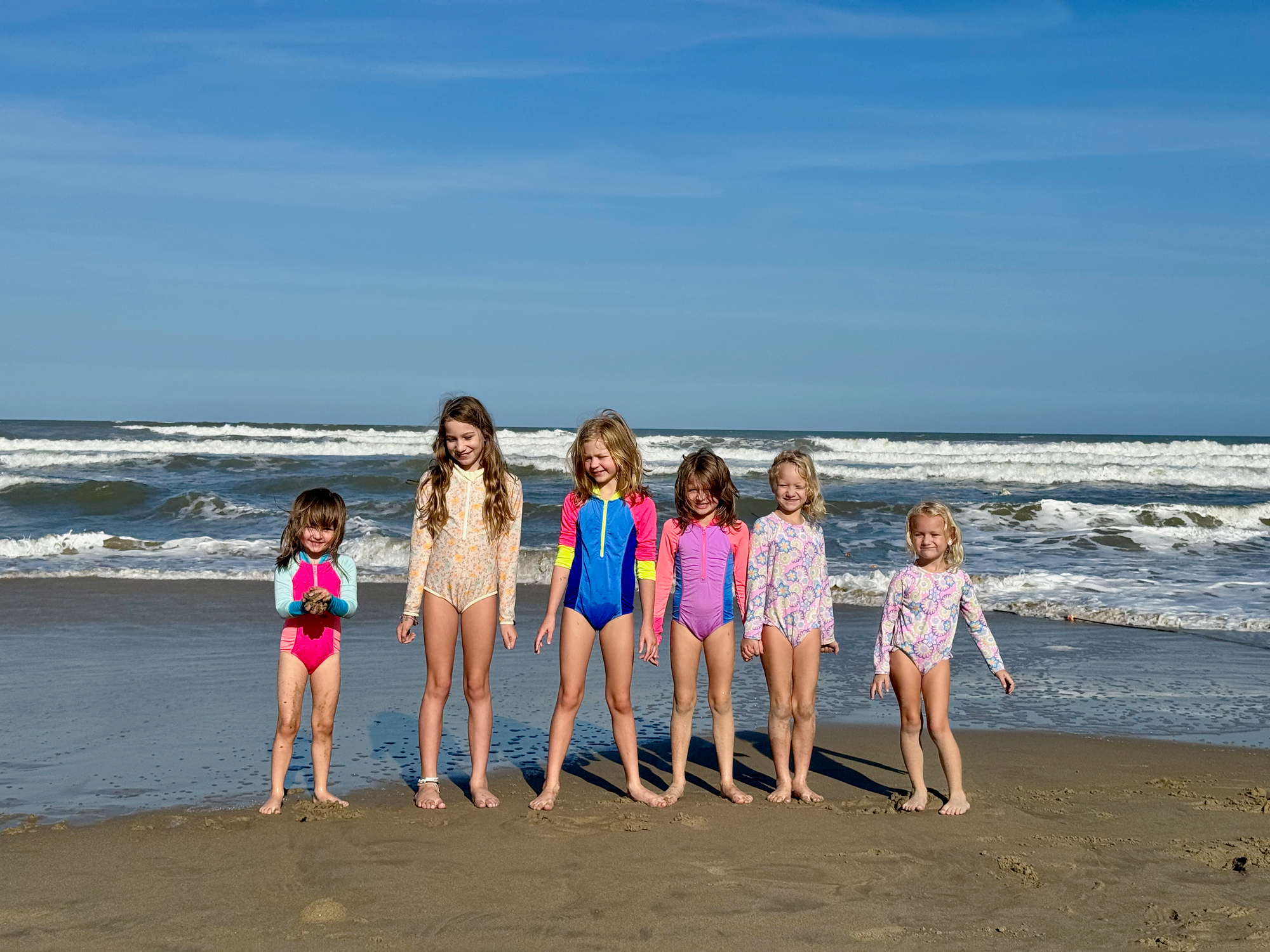
- Girls' undershorts, swimsuits, goggles, athletic outfits, two dresses each. The dresses are because Da Nang has hot afternoons that demand dresses, not jeans.
- Wet brushes. Three girls. Long hair. Worth packing the right tool.
- A body scale. Adam tracks weight as part of his fitness routine. The cheap travel scale he bought here is coming.
- Big chunky hair ties. The good ones are hard to find in Vietnam.
- A Uniqlo order to pick up, try on, and return what doesn't fit. This is a multi-day errand, not a single trip.
The Uniqlo run is more important than it looks. Uniqlo in Japan has a wider range and better prices than Uniqlo abroad, and we use these stays to restock everyone for the next quarter. Picking up an order, walking back home, trying things on, then returning what doesn't fit is genuinely a half-day project.
What Three Months of Accumulating Stuff Has Taught Us
After four years of full-time travel and several long stays, we've reluctantly accepted that there is no version of this where you arrive light, stay light, and leave light. The longer you settle, the more you accumulate, and the more honest you have to be about what's coming with you versus what you give away.
The framework we use now is simple and unflattering. Everything in the apartment falls into one of three categories:
- Comes with us. Anything we use weekly, anything sentimental, anything we won't replace cheaply elsewhere.
- Gets given away. Cleaning supplies, half-used pantry items, things we bought for one specific use. We post these in our local worldschool group or hand them to the next family.
- Goes in the bin. Worn-out clothes, broken bits, the third pair of shower shoes someone bought.
Anything in the "maybe" pile means it goes in category two. We've learned that "maybe" is just denial about the weight limit.
Da Nang for Three Months: What We're Actually Going Back For
We're not going back to Da Nang to do tourism. We're going back to live there for three months. The difference matters. When we lived in Da Nang in early 2025, we built a routine around mornings at My Khe Beach, the kids' Vietnamese-language local activities, regular Lost Plate-style food walks in the old quarter just for ourselves, and weekly movie nights with the friend group we built.
This time the priorities are similar but slightly different:
- Beach mornings. This is non-negotiable. The girls live for the morning sea, and Da Nang's My Khe is one of the most family-friendly beaches we've ever based at.
- Vietnamese food, deeper. We barely scratched the surface last year. This time we're committing to a "new neighbourhood food spot every week" rule.
- A working routine. Adam writing, Linds working with travel advisor clients through Fora, the girls in their school rhythm, all of it on Vietnam time. Asia mornings work brilliantly for clients in different time zones.
- No grand plans. When we arrive in Da Nang, we are not booking a single excursion in advance. We will figure out trips as we go.

How We Stay Connected During the Move
One thing we've learned about move days: do not assume the new country's SIM situation will work seamlessly the moment you land. We arrive in Da Nang, we want a working internet connection in the rideshare app to get to the apartment, and we don't want to be at a kiosk in arrivals trying to compare prepaid plans with three tired children.
We use a Holafly eSIM for exactly this reason. The eSIM activates before we leave Japan, kicks in the second we land in Vietnam, and we don't have to think about it. For our Vietnam stay, with three months on the ground, we're using one of the Holafly Plans monthly subscriptions rather than a single-destination eSIM. At three months, it works out cheaper.
If you're shopping a Holafly eSIM yourself, our discount code ADAMANDLINDS gets you 5% off any single-destination plan and 10% off the Plans monthly subscription. The link is holafly.sjv.io/YR0VrR.
What We're Leaving Behind in Osaka (and What We're Not)
The hardest part of leaving any base is the people. We've made friends here, the girls have made friends here, and three months of regular weekly meetups builds something real. Worldschool families understand this better than most: relationships in the travel community are intense and short, and you keep them alive online. We will see most of these families again somewhere else.
We're not leaving sentimentality. We're leaving plastic kitchen storage we bought from the 100-yen shop, half a bottle of dish soap, and a futon we did not buy and do not get to keep.
We're taking the dollhouse. We're taking the stock pot. We're taking memories of Tennoji Zoo and USJ and the local conbini who knew our daily breakfast order. And we're taking the unshakeable feeling, after four years of this, that wherever we land next will start to feel like home faster than it has any right to.
Frequently Asked Questions
How does a family of five travel with ten checked bags?
We fly airlines like JAL that include two checked bags per person on international long-haul tickets. Five people × two bags = ten checked bags, plus five carry-ons. We use a luggage scale to make sure each bag is under 23 kg before we leave the apartment.
How long do you stay in each place?
These days, anywhere from two weeks to four months. Our recent rhythm has been three-month stays in places we like (Osaka, Da Nang, Chiang Mai) with shorter trips in between. After three years of constant motion early in our travels, slow travel is what works for our family.
Why Da Nang specifically?
We lived in Da Nang from January to May 2025 and loved the rhythm of it. It's family-friendly, the beach is excellent, food is cheap and fantastic, internet is reliable, and there's a real worldschool community there. For us, it ticks every box for a base.
How do you handle school while traveling?
We worldschool. The girls do online courses through Outschool, structured workbooks, and we use travel itself as part of the curriculum. The plastic crates we're packing are full of school supplies. It is its own logistics challenge and we'll write about it separately.
Do you ever feel done with traveling?
Yes. Every family does. The trick is recognising the difference between "we need a longer stay somewhere" and "we want to stop." Three-month bases were the answer for us.
What's the hardest part of moving bases with kids?
The day before and the day of departure. The kids absorb stress from the parents. The packing chaos transfers to them. We've learned to start packing earlier and to keep the day-of routine as boring as possible.
How can I follow along with the Vietnam stay?
We post regularly on the Adam and Linds YouTube channel and update the blog with the longer pieces. The Vietnam content from May onwards will land here over the coming months.
Final Thought Before the Suitcases Close
Nine days out from Da Nang, two new suitcases standing empty in the corner, a list of half-used spices on the kitchen counter and a Sylvanian Families dollhouse waiting to be carefully boxed. This is what full-time family travel actually looks like at the seams. Not glamorous. Mostly logistics. Occasionally hilarious.
We'll see you from Vietnam.
This post contains affiliate links. If you book through our Holafly link or use the code ADAMANDLINDS, we may earn a small commission at no extra cost to you, and you get a discount. See our full affiliate disclosure for details.