Travel Insurance for Asia: What Families Need to Know Before They Go
We've spent over 700 days across Southeast Asia and Japan. Here's what travel insurance actually matters for families traveling in the region - and where the real risks are.

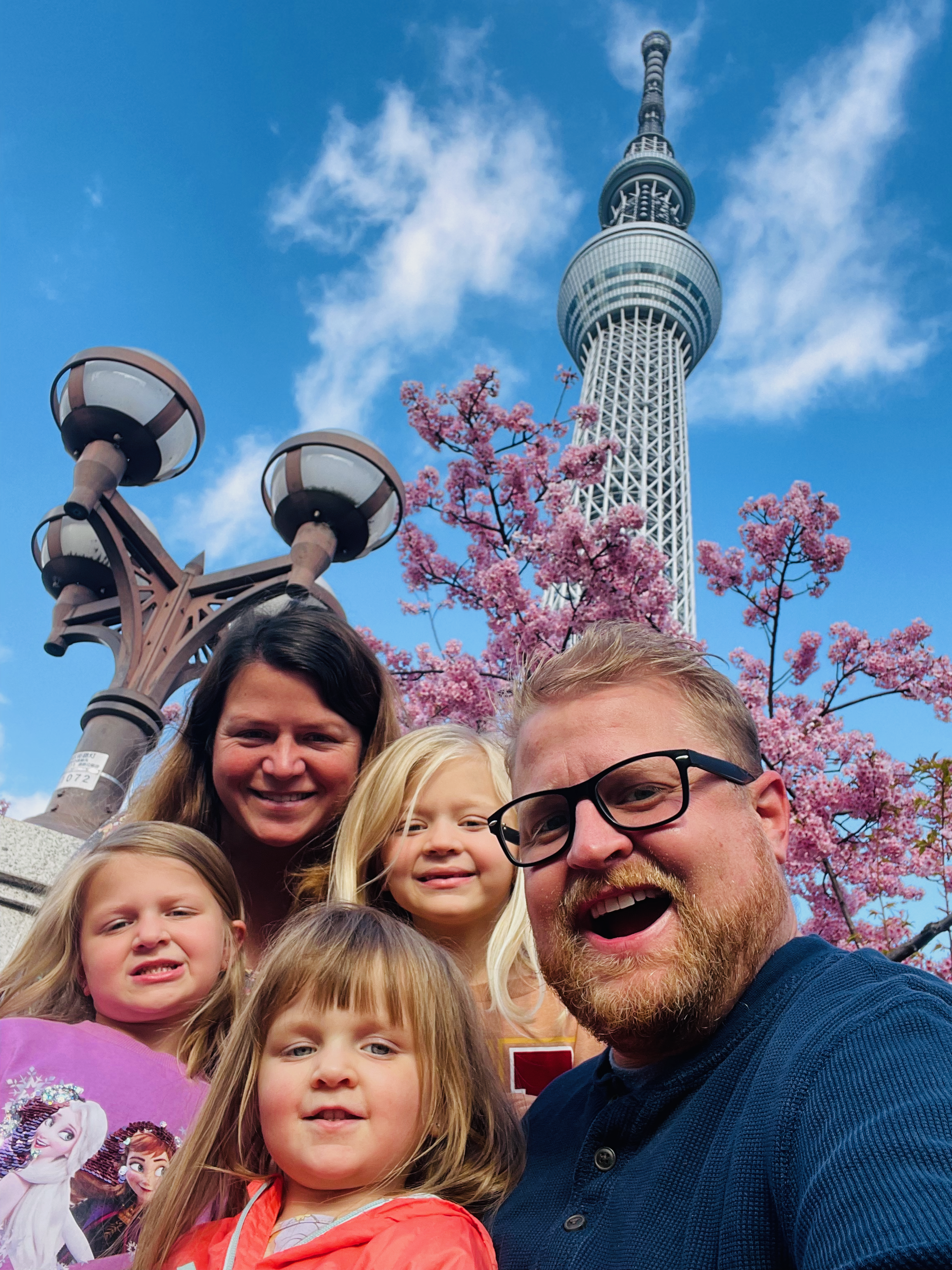
Southeast Asia is where most long-term traveling families start. The cost of living is low, the food is outstanding, the people are welcoming, and you can be outside twelve months of the year without wishing you'd packed a coat. We've spent more time in Asia than anywhere else - Thailand alone accounts for over 300 days of our travels, with Japan adding another 220-plus, and Vietnam not far behind with nearly 200 days across multiple stays. We know this region well, and that includes knowing what medical situations actually come up and what insurance you genuinely need to handle them.

Medical Care Across Asia: What You're Actually Working With
Asia is not a monolith. Medical infrastructure ranges from world-class to genuinely concerning depending on where you are. Japan has an excellent healthcare system - clean, efficient, technologically advanced, and reasonably priced by developed-world standards. Thailand, particularly Bangkok and major tourist centers like Chiang Mai and Phuket, has very good private hospitals that are used to treating international patients. Vietnam's major cities have international hospitals with English-speaking staff. Rural areas and smaller islands across the region are a different story.
The practical implication for families: in most Southeast Asian destinations, routine medical care is affordable enough to handle out of pocket - a GP visit in Chiang Mai or Da Nang might run $20-50. What requires insurance is anything serious: hospitalisation, surgery, specialist procedures, and especially emergency medical evacuation. That last category is where the real financial risk sits, and it's where inadequate coverage can turn a medical emergency into a financial catastrophe.
Emergency Medical Evacuation: The Big One
If you need to be evacuated from a remote island in the Philippines or from a rural part of Indonesia to a hospital equipped to handle your situation, the cost without coverage runs from $50,000 to well over $150,000. This is not a hypothetical - it's a real scenario for travelers who have medical emergencies in areas with limited local facilities.
SafetyWing Nomad Insurance Essential includes emergency evacuation coverage. This is the single most important reason to have travel medical insurance when traveling through parts of Asia where medical infrastructure is variable. For families visiting beach destinations, remote islands, or rural areas in Southeast Asia, evacuation coverage is not optional if you're being sensible about risk.

Common Health Issues for Families in Asia
In our years across Southeast Asia, the medical situations we've actually encountered fall into patterns that most traveling families will recognise. Gastrointestinal issues are universal - unfamiliar food, water differences, and close quarters in busy cities mean stomach bugs happen. Respiratory infections travel quickly through airports and air-conditioned spaces. Ear infections in kids are genuinely common in humid tropical climates. Dengue fever, while not common among tourists who use repellent consistently, is present in most of Southeast Asia and worth being aware of.
In Japan, the main practical challenge isn't the quality of care - it's navigating a system that operates almost entirely in Japanese, where pharmacies work differently than elsewhere, and where finding a paediatric clinic that can handle an English-speaking patient requires some advance preparation.
For all of these scenarios, having travel medical coverage means you can seek care without hesitation, at whatever facility is appropriate, without first running a mental calculation about whether you can afford it.
How SafetyWing Works in Practice for Asia Travel
SafetyWing covers 175+ countries including all of Southeast Asia and Japan. Coverage applies in private hospitals and clinics - in Thailand and Vietnam particularly, international-standard private hospitals are the right choice for travelers, and SafetyWing works with them. Claims are filed online through the SafetyWing portal, which we've used and found straightforward for anything significant enough to bother filing.
One important note on Japan: while Japanese healthcare is of excellent quality, the cost structure is different from Southeast Asia. Hospital stays in Japan can run significantly higher than comparable treatment in Thailand. Having coverage that handles Japanese medical costs is more important than it might seem for families planning extended Japan stays. We've spent over 220 days in Japan total, and having insurance during those periods was something we took seriously.
| Destination | Medical cost level | Insurance priority | Key risk |
|---|---|---|---|
| Thailand (Bangkok, Chiang Mai) | Low-medium | Evacuation and hospitalisation | Accidents, tropical illness |
| Vietnam (major cities) | Low-medium | Hospitalisation, medical flight | GI illness, accidents |
| Japan | Medium-high | All medical, hospitalisation | Language barrier, higher costs |
| Philippines (islands) | Low (but variable) | Evacuation critical | Remote location, limited facilities |
| Indonesia/Bali | Low-medium | Evacuation and hospitalisation | Road accidents, water activities |
| Malaysia | Medium | Hospitalisation | Standard travel risks |
The Subscription Advantage for Asia-Based Families
Families who spend extended time in Asia - base periods in one city with shorter trips through the region - benefit from SafetyWing's subscription model in a way that trip-based insurance doesn't capture. We spent four months in Chiang Mai and six months in Da Nang. Buying separate trip insurance policies for each stay would have been administratively annoying and structurally awkward. SafetyWing's rolling 4-week auto-renewal meant we were simply covered throughout, without any policy gaps between "trips" because we weren't thinking of those stays as trips at all.
Pricing for the 0-39 age bracket runs approximately $62.72 per 4-week period without US travel included. Children under 10 are covered free when a parent is insured. For a family spending six months in Vietnam or four months in Thailand, that's a modest cost relative to what medical care without coverage could look like in a worst-case scenario.

Staying Connected in Asia
Data connectivity across Asia varies considerably. Japan has excellent coverage everywhere. Thailand's major cities are well-served. Rural areas and smaller islands can be patchy. For families moving through multiple Asian countries, Holafly eSIMs cover most of the region - use code ADAMANDLINDS for 5% off any plan. If you're doing extended multi-country travel through Asia, Holafly Plans (a global monthly subscription, Light Plan $49.90/month for 25GB, Unlimited at $64.90/month) removes the need to buy country-specific eSIMs. Code ADAMANDLINDS saves 10% on Plans, stackable with annual pricing for around 30% total off.
Reliable data matters for insurance in a practical way: being able to contact your insurer, navigate to a hospital, and use telehealth services when appropriate is genuinely part of the coverage picture when you're far from home.
Getting the Right Coverage Before Your Asia Trip
For most families visiting Asia, SafetyWing Nomad Insurance Essential provides solid travel medical coverage at a reasonable price point, with the added family benefit of free child coverage under 10. Get started at SafetyWing's Nomad Insurance page. For families who need primary health insurance (not just travel medical) throughout their Asian travels, Nomad Insurance Complete is the broader option.
For a look at what our day-to-day family travel in Asia actually looks like financially, our Bangkok family guide is a good starting point:
And if you're planning an Asia trip and want help putting the whole thing together - including working out what coverage makes sense for your specific itinerary - Lindsay plans family travel professionally at Fora Travel and has helped families navigate this region many times.
Disclosure: This post contains affiliate links to SafetyWing and Holafly. Purchases made through our links earn us a commission at no extra cost to you. We use both products ourselves and all opinions are our own. Nothing in this post constitutes professional insurance advice - read the full policy terms before purchasing any insurance product.